Oh say what is truth?
Oh say, what is truth? ’Tis the fairest gem
That the riches of worlds can produce,
....
Yes, say, what is truth? ’Tis the brightest prize
To which mortals or Gods can aspire.
...
Then say, what is truth? ’Tis the last and the first,
For the limits of time it steps o’er.
Tho the heavens depart and the earth’s fountains burst,
Truth, the sum of existence, will weather the worst,
Eternal, unchanged, evermore.
A Series of Short essays on scriptural and historical evidence of God's law of Marriage and how it relates to Polygamy
Only citations from the scriptures or primary sources taken into account
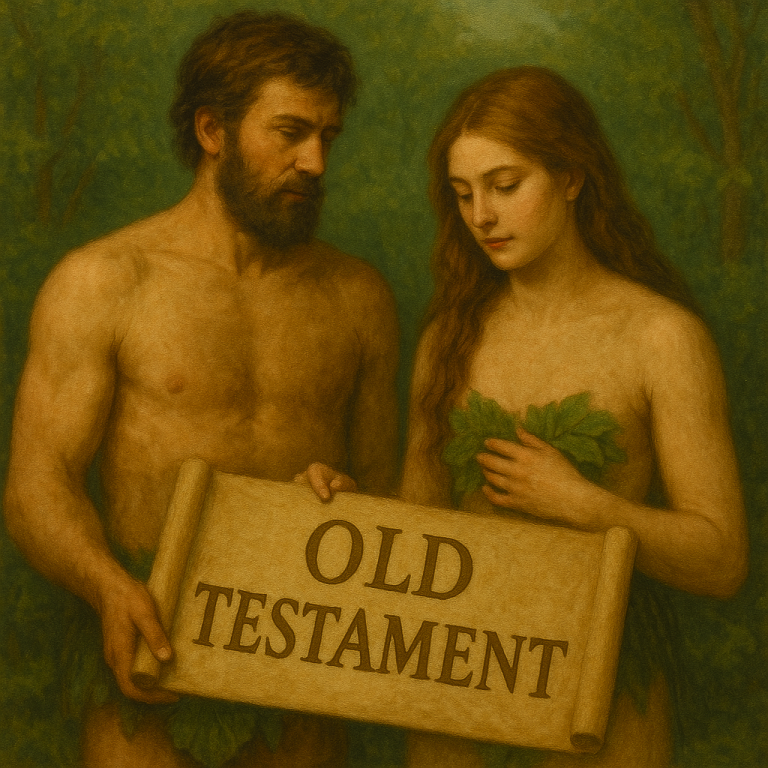
Once humanity leaves Eden, polygamy shows up as a symptom of the Fall—messy, painful, and never divinely endorsed—making Adam and Eve’s one-to-one marriage stand out as the pattern God actually intended.
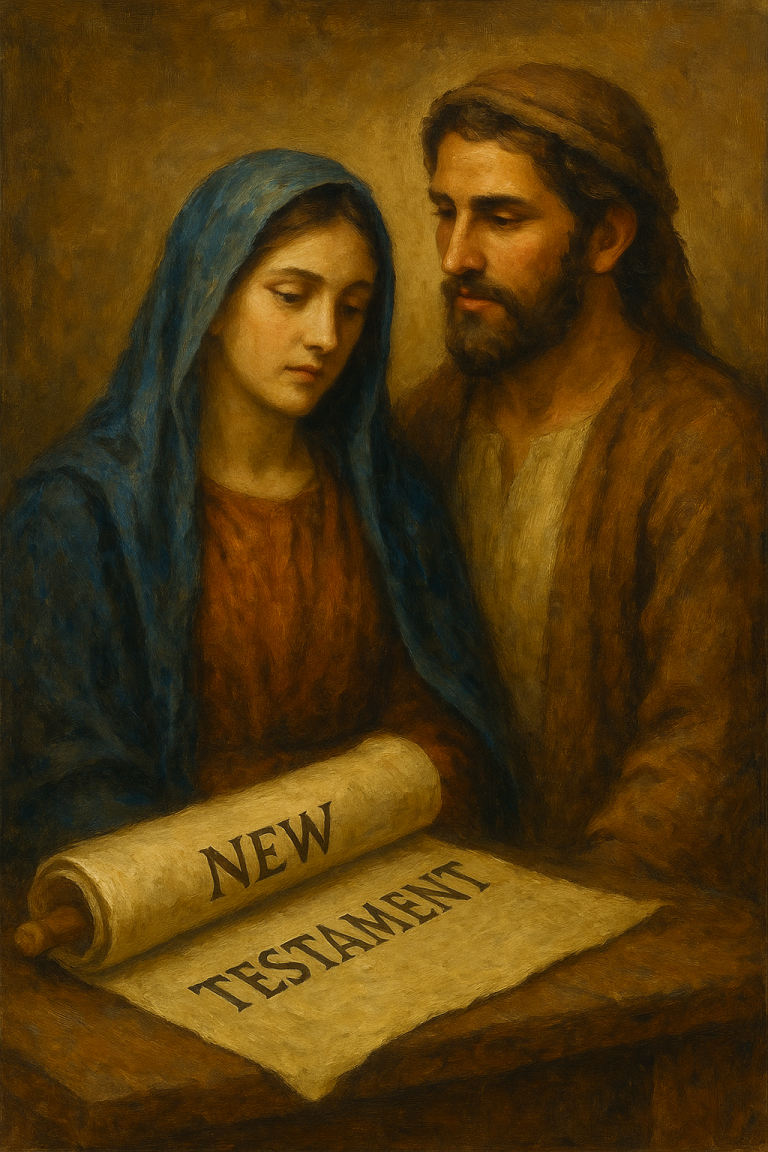
When the New Testament arrives, polygamy vanishes without a trace—Jesus restores Eden’s “two become one,” and Paul pounds the drum of “one wife” so often it becomes the Christian rhythm. If you’re looking for plural marriage in the early church, the silence is the message.
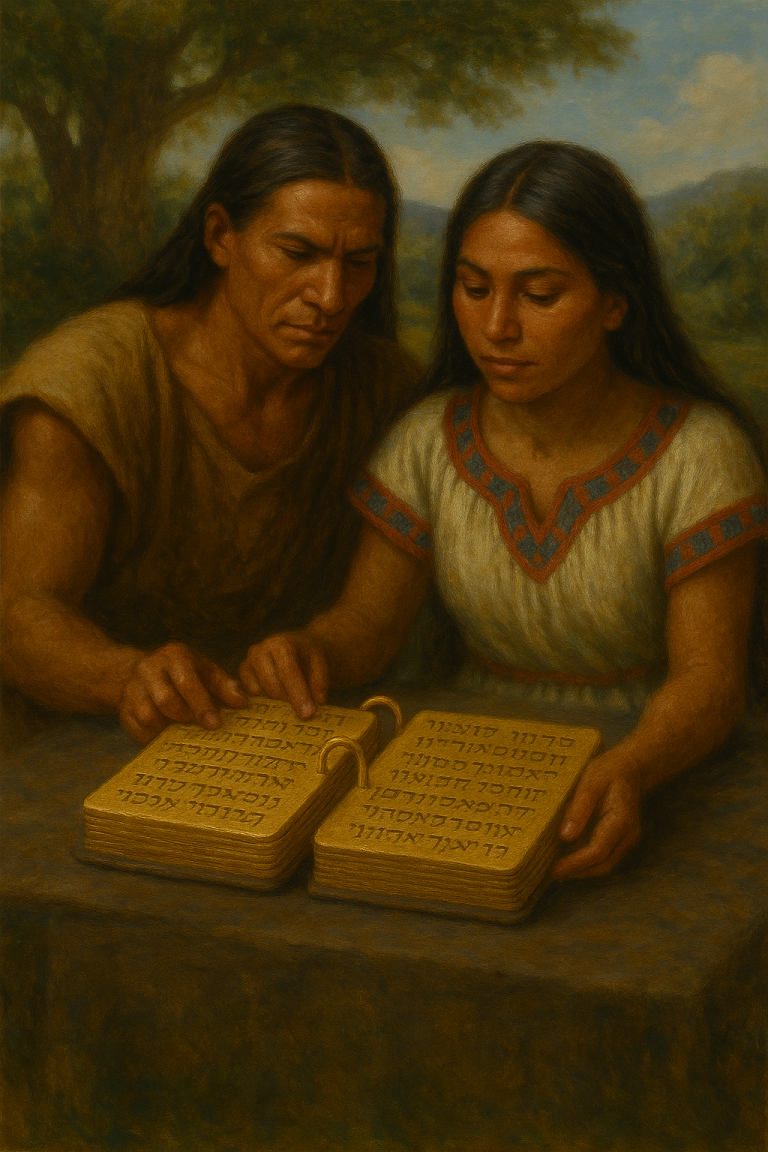
Long before polygamy ever became a controversy, the Book of Mormon slammed the door on it—Jacob calls it “abominable,” Abinadi exposes its corruption, and every righteous family in the record lives monogamy. If you want scripture’s clearest stance on marriage, this is it.
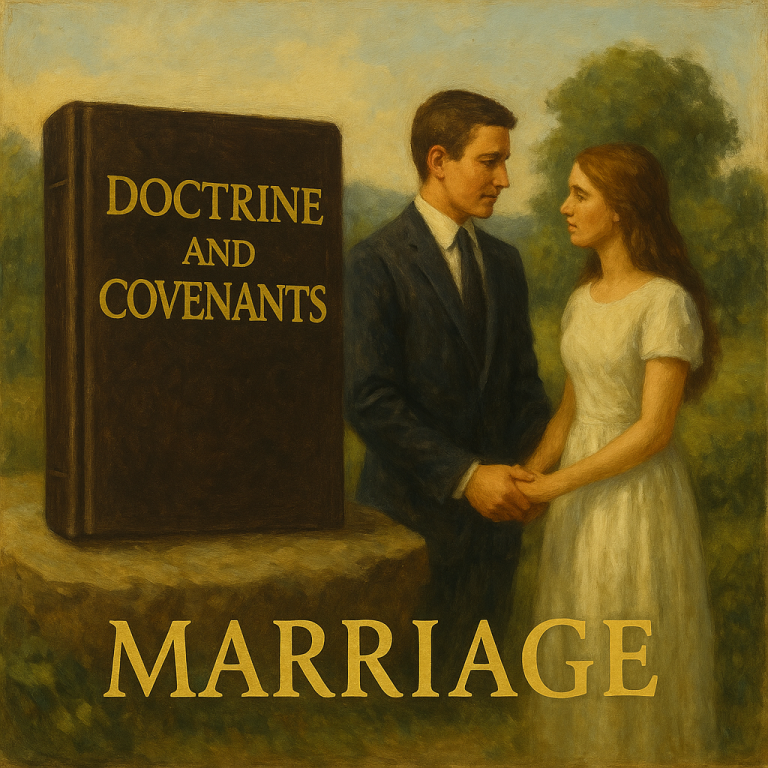
Before Joseph's death in 1844, the Doctrine and Covenants said “one wife” so loudly it might as well have been embossed on the cover. Plural marriage enters the picture only later—after Joseph is no longer around to say otherwise.
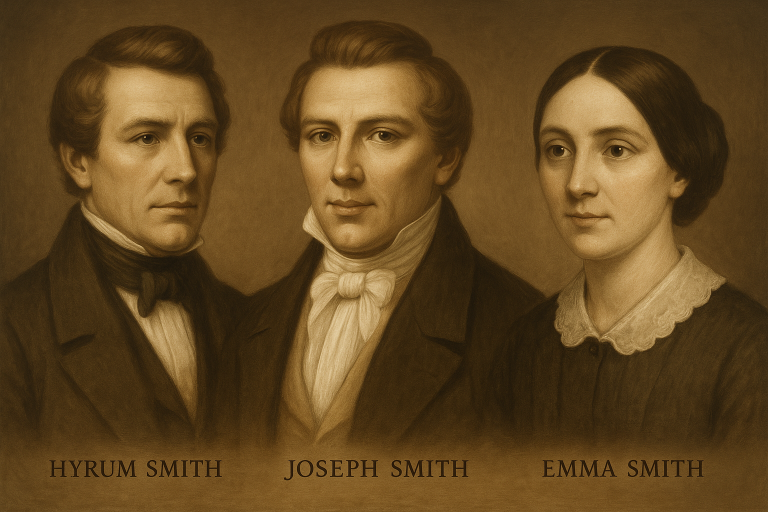
Strip away all the decades-later noise, and the people who actually lived Nauvoo—Joseph, Hyrum, and Emma—sound like a perfectly tuned trio: no plural marriage here. Their real-time words form a united record that deserves to be heard.
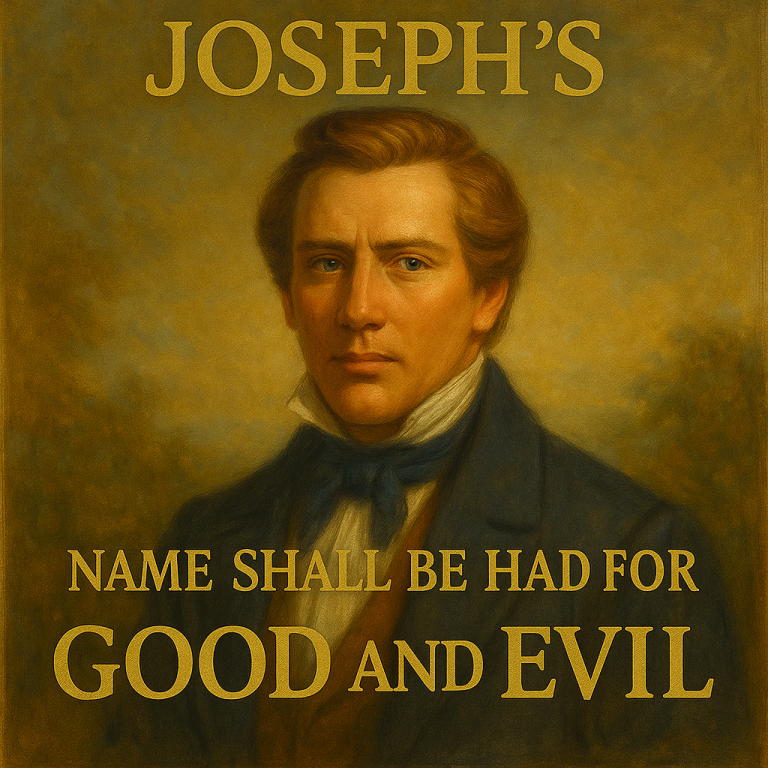
Joseph’s name has been spoken for both good and evil, and the greatest “evil” attached to him—the later claim that he practiced polygamy—arose only after his death and has long obscured the goodness of the Restoration he actually taught.
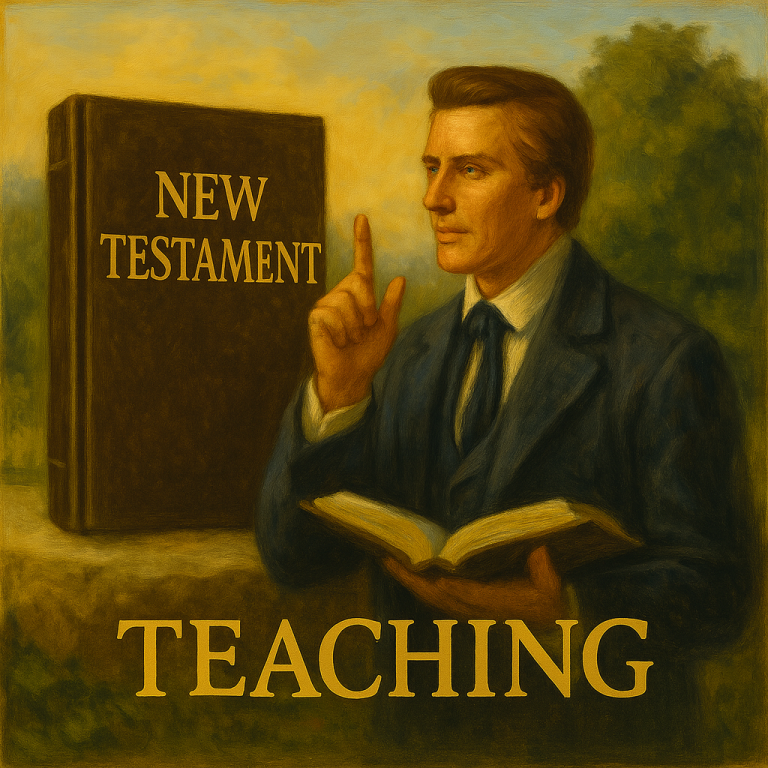
Joseph Smith’s living teachings align seamlessly with the New Testament’s monogamous ideal, not the Old Testament’s cultural polygamy. The divergence appears only after his death—not in his doctrine, his print, or his voice.
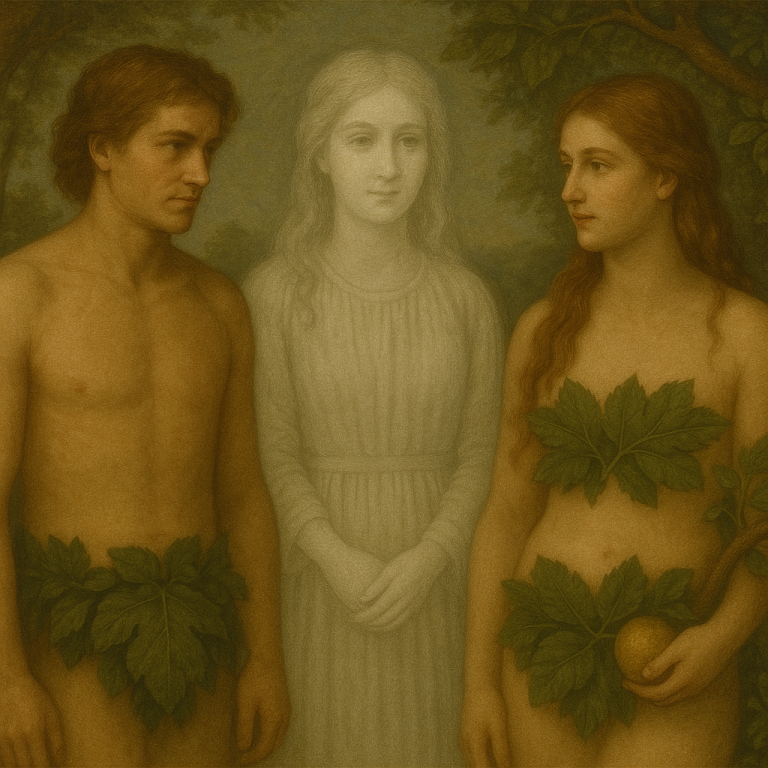
God created Adam and Eve, not Adam, Eve, and Rebecca—and the rest of the Old Testament proves why.
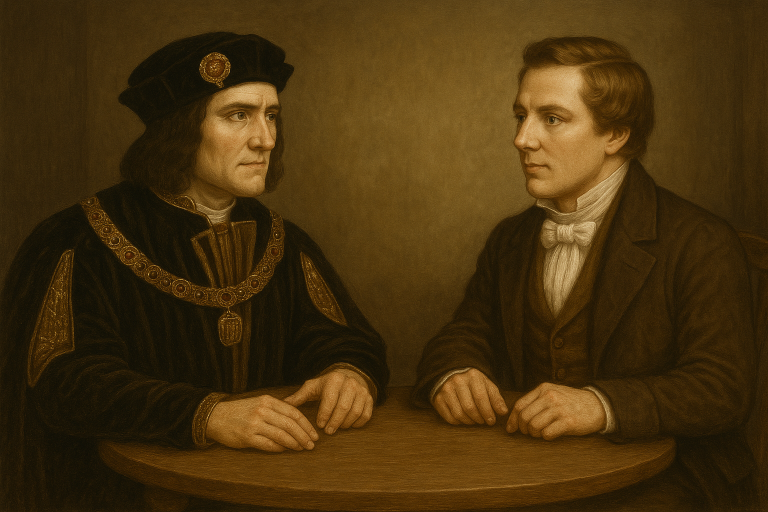
When a man dies, his enemies write one story and his successors write another—Richard III and Joseph Smith learned that the hard way.- A bit worrying when your enemies and successors agree.
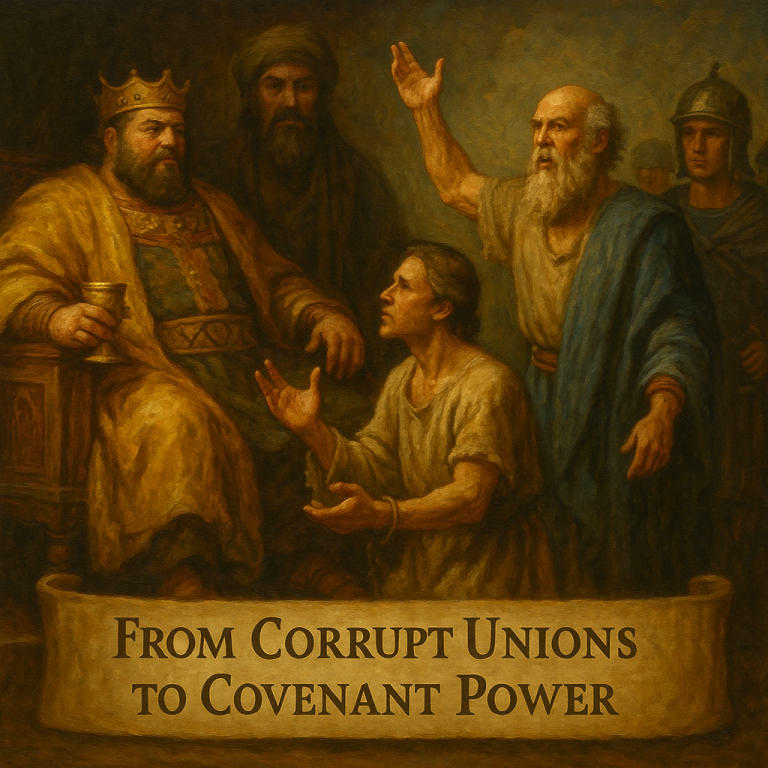
When God’s people abandoned corrupt marriage systems and returned to monogamy, priesthood power surged—and both Alma’s church and the modern LDS Church exploded in growth. Purity restored the priesthood, and the priesthood propelled the work.
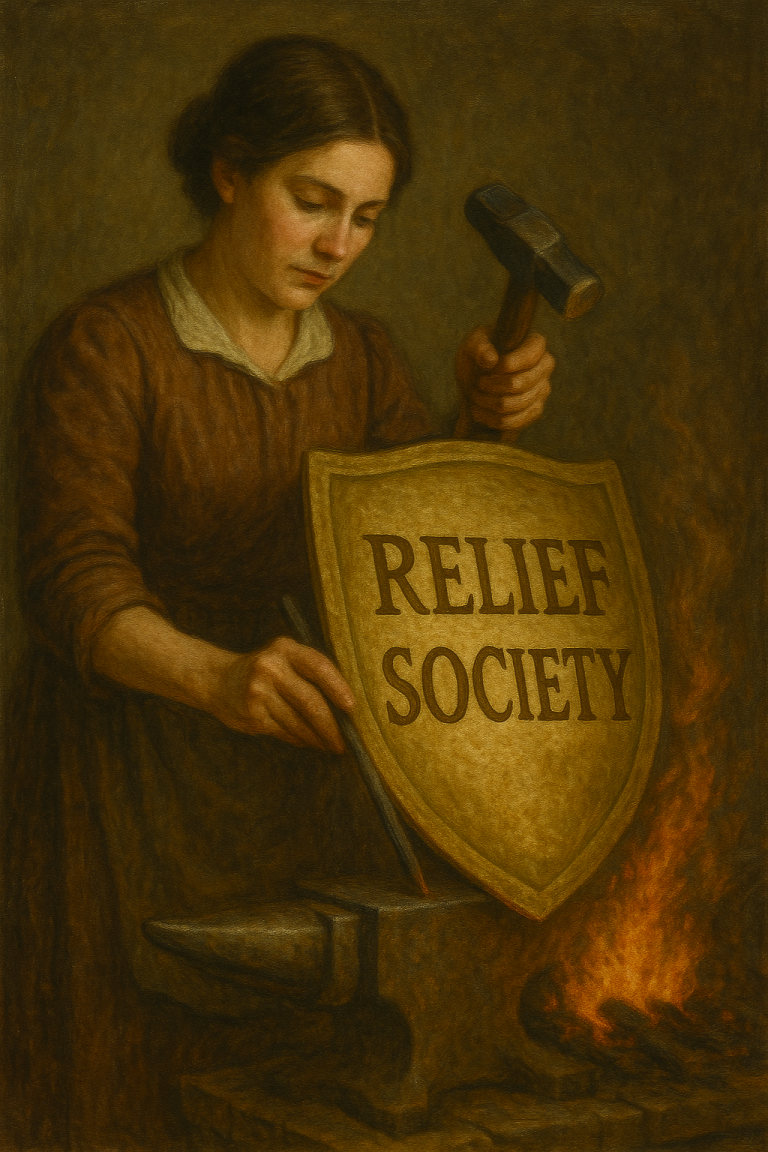
Emma Smith founded the Relief Society to expose evil, defend women, and crush the rise of “spiritual wifery.” From the start, it was a sisterhood built for protection, not decoration.
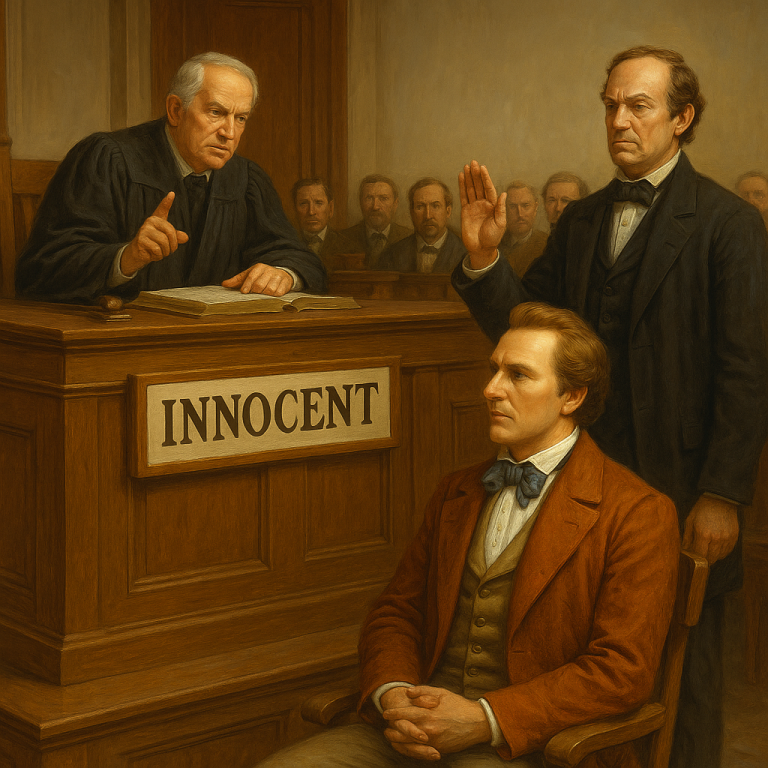
Not all sources carry equal weight. This review applies common-sense legal principles to the historical record, distinguishing firsthand evidence from retrospective claims and showing why many commonly cited sources would be weak or inadmissible in a court of law.
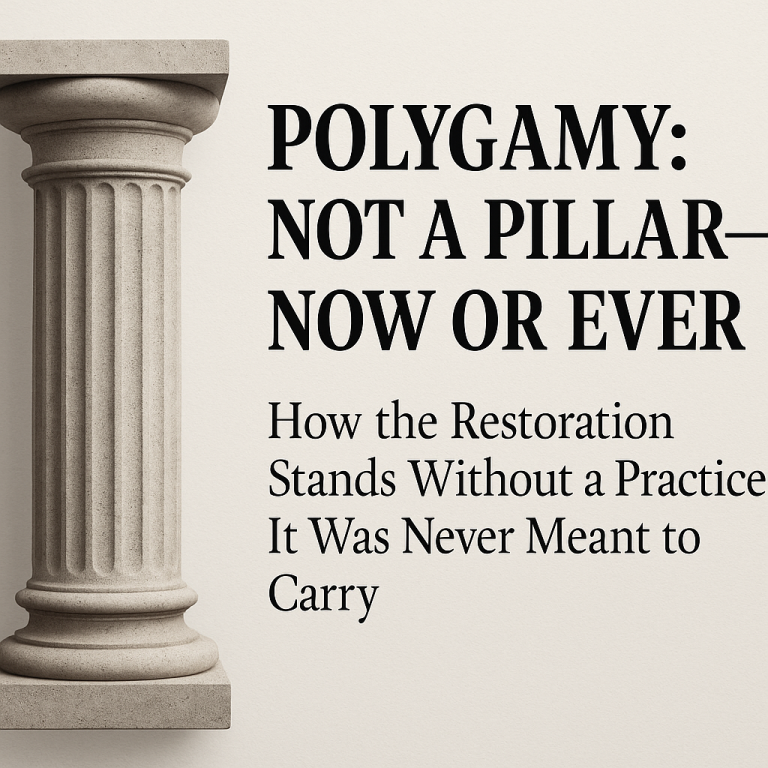
Polygamy: Not a Pillar—Now or Ever
How the Restoration Stands Without a Practice It Was Never Meant to Carry
Polygamy has often been mistaken for a pillar of the Restoration—something that must be defended or the entire structure collapses. In reality, it was never a load-bearing practice, either in doctrine or in priesthood authority. Drawing on scripture, the Abinadi–Alma model of priesthood continuity, and the principle that God does not govern by fear but by power, love, and a sound mind, this essay shows that the Restoration stands because Christ and covenantal priesthood carry the weight. Correction over time does not weaken faith; it demonstrates how a living Restoration endures.
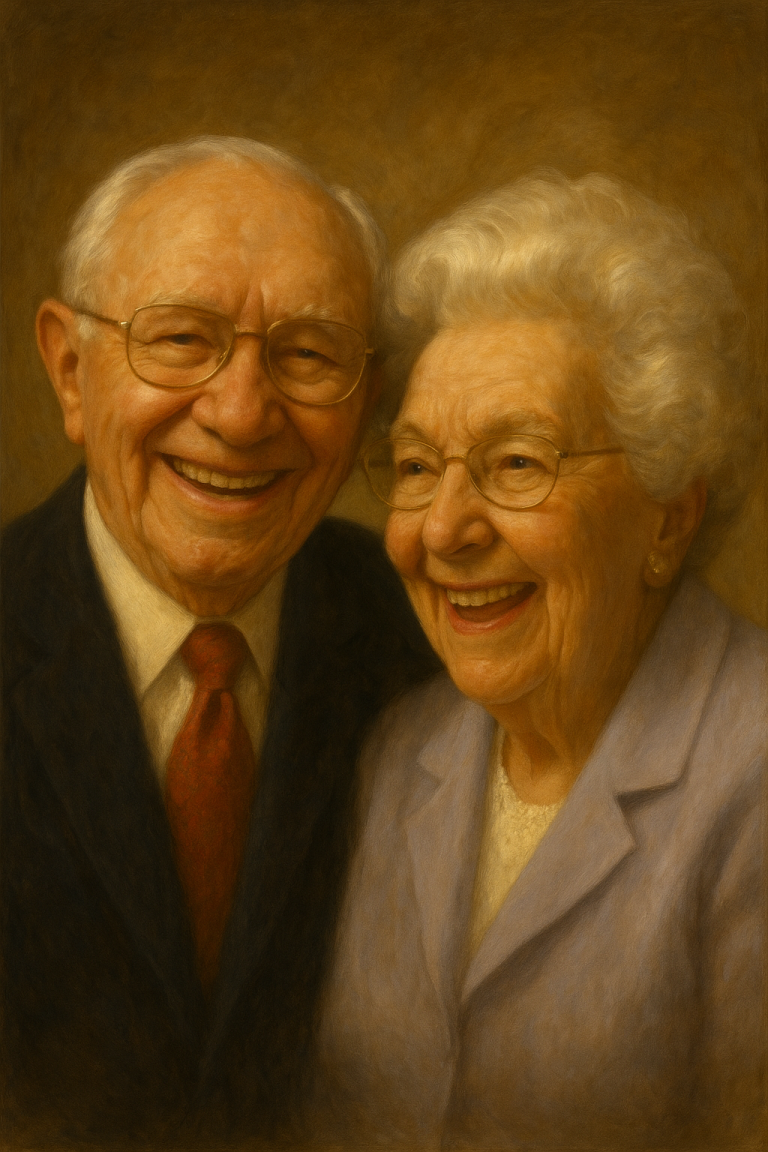
True authority in the Church has never depended on polygamy. This article explores how modern prophetic leadership—marked by kindness, moral clarity, and confidence rather than fear—demonstrates that plural marriage was never a pillar of the Restoration. The Church stands because Christ and covenant carry the weight, not a practice it was never meant to bear.